


Prostatitis or prostatitis is a disease that develops in men during puberty for many reasons.Fever, lower back pain, frequent urination, and general weakness are typical signs of prostatitis.Treatments and medications prescribed by doctors vary in intensity and duration of action.In modern pharmacology, tablets and drugs for male prostatitis are the basis of complex treatment prescribed by doctors.
An integrated approach helps to eliminate prostatitis, the treatment of which includes several groups of drugs:
- Antibacterial drugs to treat prostatitis (antibiotics).
- Causes illness.
- There are symptoms.
Antibacterial drugs are prescribed for prostatitis
Your doctor determines which medication you need to take to treat prostatitis.For this purpose, laboratory tests of prostatic secretions are performed: general urinalysis, prostatic secretions, sperm, three-glass urine samples.The causative agent is identified.Determine how to treat prostatitis in men;Tablets are prescribed depending on the type of pathogen.Drugs for prostatitis are prescribed according to an individual dosing regimen, taking into account the sensitivity of the patient's microflora to antibiotics.There are many different types of diseases and bacteria that cause prostatitis.The drug is selected in accordance with the determined form of the disease and microflora.
Tablets are prescribed for acute bacterial prostatitis
During acute inflammation, men develop prostatitis, the symptoms and treatment of which depend on the severity of the disease.To treat the acute form of prostatitis caused by Escherichia coli bacteria and their destruction, the following drugs are prescribed:

- Penicillin.Active against gram-positive bacteria, most anaerobic bacteria.However, resistance to penicillin has been observed in staphylococci and gonococci.
- Macrolides.Antibiotics are the least toxic.They have a bactericidal effect against streptococci, the causative agent of whooping cough, and are active against gram-positive cocci.They have moderate immunomodulatory and anti-inflammatory effects.
- Fluoroquinolone.They differ in their mechanism of action from other antibiotics that treat prostatitis.These tablets are effective against drug-resistant, multidrug-resistant strains of microorganisms (pneumococci, intracellular pathogens, anaerobic bacteria).
- Tetracycline.They have a broad spectrum of antibacterial activity, but are poorly tolerated.They kill mycoplasmas and chlamydia, but after years of use, some bacteria have acquired resistance to them.
The prostate is inflamed and does not absorb antibacterial capsules for prostatitis well.However, it is recommended to take drugs to increase the effectiveness of prostatitis treatment for at least 2 weeks, because hypothermia or weakness during ARVI treatment will cause the disease to relapse.Acute prostatitis, stopping treatment will become chronic, so antibiotics are needed to treat prostatitis.The reasons that determine the appearance of the disease and the duration of the disease will determine which drugs should be used for prostatitis.
Drug for the treatment of chronic bacterial prostatitis
How to treat prostate disease in men if the pathogenic microflora continues to develop?Long-term treatment of prostatitis in men involves taking medication over a period of weeks to months.
The use of the drug to treat prostatitis in men is evidenced by the reduction of pain in the patient during the illness and a noticeable reduction in symptomatic manifestations.
Other methods of treating prostatitis in men are also prescribed, which increase the effectiveness of antibacterial treatment:
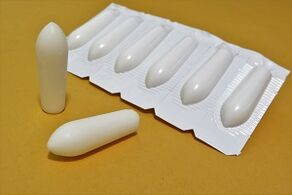
- Candle.They have analgesic and antibacterial effects against prostatitis.Treatment of prostatitis in men lasts from several days to several months.There are antibiotic suppositories, pain reliever suppositories and anti-inflammatory suppositories.A separate line includes suppositories with propolis, which have a multifaceted effect on the gland.Suppositories are used from 10 days - for treatment, prophylaxis - up to a month.This form of delivering the active ingredient to the inflamed gland is the most effective, because this is how the drug's high therapeutic effect is achieved.
- Injectable drugs.Antibiotics, pain relievers and anti-inflammatory drugs quickly penetrate the body and act in the gland, reducing side effects on the digestive tract.Prescribed for the acute stage of the disease and severe pain.
- Droppers.Medicines for prostatitis are injected into the external opening of the urethra in men and are quickly delivered to the painful area.This method is used for strong drugs with many contraindications to reduce the possibility of side effects.
- Inject the cream into the rectum.The cream is absorbed into the wall of the large intestine and quickly reaches the painful area of the prostate in men, relaxing and liquefying its secretions.
- Microclyster.Infusions and decoctions of herbs are used.It is necessary to consult your doctor about which herbs you can and cannot use.
What medicine to treat prostatitis is prescribed by the doctor.The effectiveness of antibacterial therapy will increase if it is enhanced in other ways.For example, performing physiotherapeutic procedures: electrophoresis, ultrasound, magnetic therapy, electrical stimulation, laser therapy, prostate massage.
Disease-causing drugs
The causative drug contains alpha blockers, which eliminate spasms of the prostate, prostate smooth muscle, reduce sphincter swelling, and help improve physiological fluid secretion.Pathogenic drugs for the treatment of prostatitis are prescribed to men with urinary disorders.Prostate medications should be taken for at least 6 months to achieve long-lasting results.
Medications for prostatitis containing alpha blockers are prescribed for both the disease and prevention.
When taking alpha blockers, blood pressure decreases, dizziness and ejaculation are slow or absent.Contraindication to taking all tablets is renal failure.Depending on whether or not there are contraindications to taking the drug, determine what medicine to take when suffering from prostatitis in men.
Muscle relaxants have similar effects to alpha blockers.They help relax the pelvic floor muscles, which are always tense with prostatitis.Relaxants relieve pain by reducing pressure on the pelvic area.
In combination with muscle relaxants, phytotherapeutic drugs, the basis of which are medicinal herbs, can be prescribed.They help reduce prostate swelling, inflammation and restore the movement of physiological fluids.
Symptomatic drugs and concurrent use
Symptomatic and accompanying prostate medications help restore peace of mind.They include the following drug groups:

- Pain relievers - muscle relaxants can relieve acute pain in the lower abdomen.Medicines to treat prostatitis are prescribed by the doctor in individual doses.
- Hormone pills normalize a man's hormone levels by reducing the level of testosterone, a hormone.It promotes the growth of prostate tissue;medications are prescribed when pain relievers do not produce the desired results.
- Medicines that relieve prostatitis are sedatives, prescribed to patients suffering from depression due to reduced quality of life.
- Vitamins that patients take help normalize metabolism, restore the body's physiological functions, and strengthen the immune system weakened by antibiotics and diseases.They are sometimes prescribed to prevent prostatitis.
- Immunomodulators.Prescribed to restore the patient's immune status during antibiotics and long-term treatment with other drugs for the treatment of prostate.
- Homeopathic medicine.Normalizes metabolism and blood circulation in the gland.
The medical industry produces many drugs for the treatment of prostatitis, the treatment of which can be successful using objective medical methods.A man recovers if the prostate has a normal size and all functions of the genitourinary system are restored.